
REVIEW · GREECE
Crete: Via Ferrata in the Asterousia Mountains
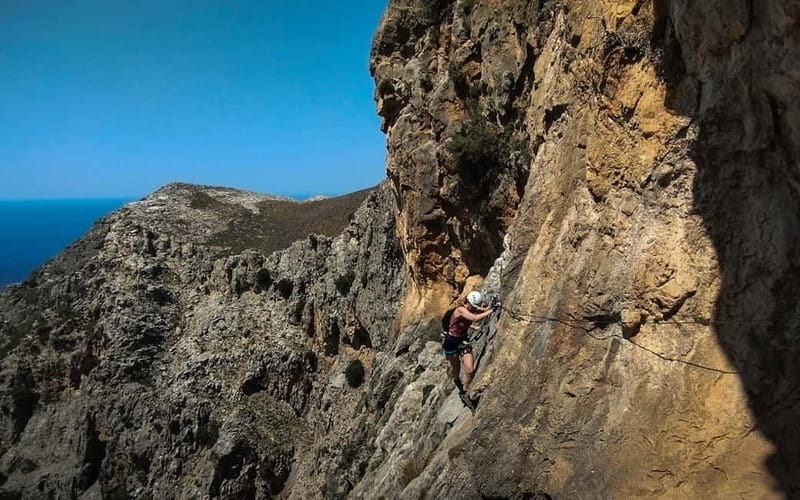
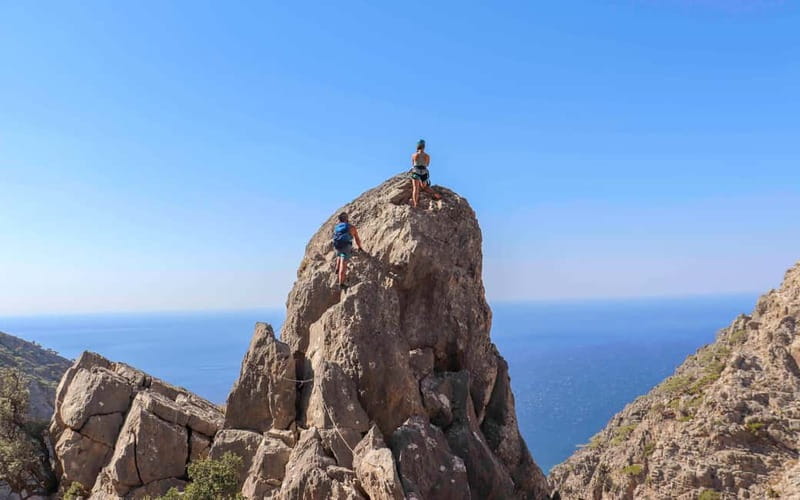
Crete’s southernmost Via Ferrata in Europe cuts through the wild Asterousia Mountains above the Libyan Sea. You clip into the iron route, cross steep rock, and move through remote gorges with certified guides close by. I like the small five-person group and the big sea views. The main catch is the sustained traverse, which takes more arm and leg strength than the route’s beginner-friendly label might suggest.
I also like that this is not a crowded sightseeing stop. You meet in the small square at Ano Kapetaniana and head into rough mountain terrain, with eagles sometimes circling overhead. Guide Yorgos has earned praise for clear tips, island stories, and steady encouragement.
You need good fitness, closed shoes, and a calm head for heights. The activity is not suitable for anyone with vertigo, a fear of heights, epilepsy, back problems, low fitness, or a tendency toward seasickness. At four hours, it is a serious half-day outing, not a quick photo stop.
Key points to know before you clip in
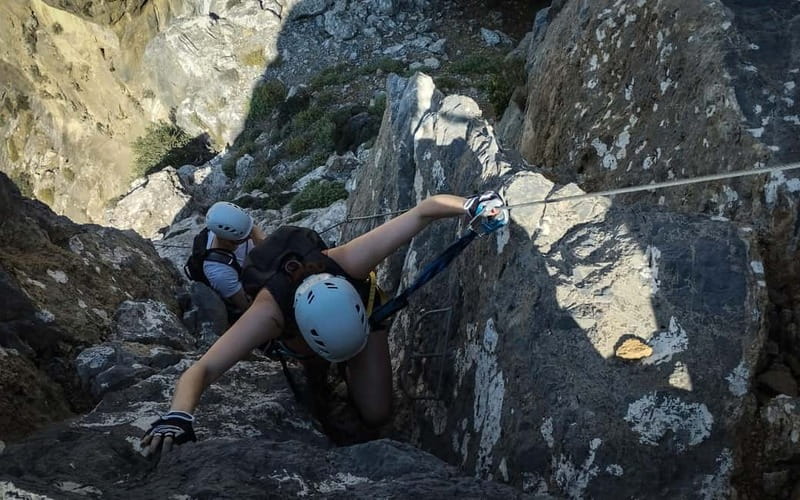
- Europe’s southernmost Via Ferrata: The route begins near Ano Kapetaniana and follows Crete’s only iron road trail.
- A five-person maximum: A small group gives you more time for guide support and less waiting on the cables.
- One section needs lasting strength: The traverse can tax your arms and legs, and secure footwear matters.
- Libyan Sea views: You get broad views toward the South Sea and the rugged Asterousia Mountains.
- Beginner-friendly, not effortless: No advanced climbing background is required, but good physical condition is essential.
- Equipment is supplied: Certified guides provide the necessary Via Ferrata gear, but you bring suitable clothes, food, water, and sun protection.
Starting in Ano Kapetaniana, high above southern Crete
Your meeting point is the small square at the entrance to Ano Kapetaniana. This detail matters because transport is not included. You need to arrange your own way to the village unless you request a transfer, so check that part before booking.
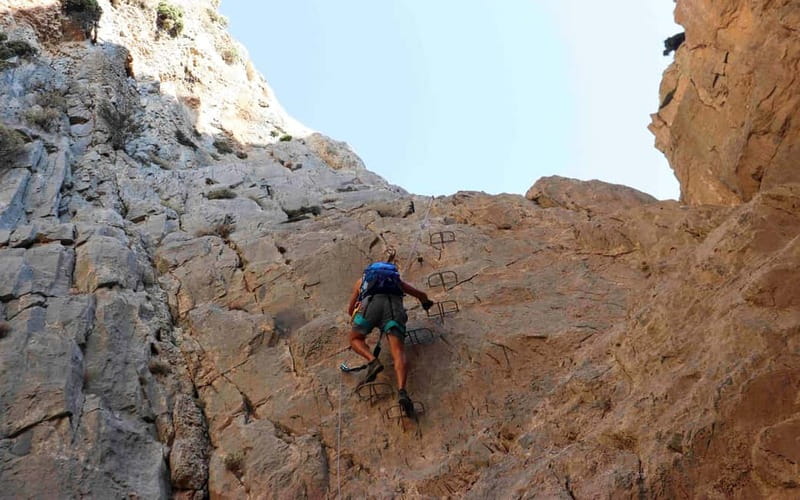
The village is the gateway to a remote stretch of southern Crete. From here, the activity leads toward the island’s only iron road trail, where fixed cables and metal footholds help you cross rock that would otherwise require standard climbing skills. The route is designed for beginners, but the setting is still rugged and exposed.
I like the contrast here. You are not starting at a polished adventure park with easy access and manufactured scenery. You begin in a small mountain village, then move into rough terrain where the Asterousia range drops toward the Libyan Sea.
Your guide supplies the necessary equipment and explains how to use it. English and Greek are available, and the group limit of five is a real advantage. A guide can give more direct help when you are learning how to move from one anchor point to the next.
More Via Ferrata Routes in Greece:
- Banff: Mount Norquay 2.5 or 4-Hour Guided Via Ferrata Climb
★ 4.9 · 305 reviews - Sant Feliu de Guixols: Climb Via Ferrata Cala del Molí
★ 5.0 · 253 reviews - Via Ferrata / Rappel Adventure in East Zion
★ 5.0 · 224 reviews
Learning the iron road above the gorges
A Via Ferrata uses a fixed steel cable, metal steps, and other climbing aids attached to the rock. You connect your safety system to the cable and move along the route while keeping three points of contact when possible.
For a first-time participant, the early part is about rhythm. Clip, move, pause, and clip again. Your guide can help you understand the gear and show you how to approach each exposed section without rushing.
The route crosses steep cliffs and remote gorges in the Asterousia Mountains. You should expect rock underfoot, changes in elevation, and sections where you need to use both hands and feet. This is not a conventional walk on a marked path.
The activity is suitable for beginners, but that does not mean it is physically light. One specific section deserves attention: the traverse. It requires strength over a longer stretch, and you need confidence in your shoes while moving across the rock. If your upper body strength is limited, this can be the part that tests you most.
That is useful information when you decide if this is right for you. You do not need to arrive as a climber, but you should be comfortable with a sustained physical challenge. The guide can make the route safer and clearer, but cannot remove the effort required to move across the rock.
The traverse, cliffs, and the part that demands focus
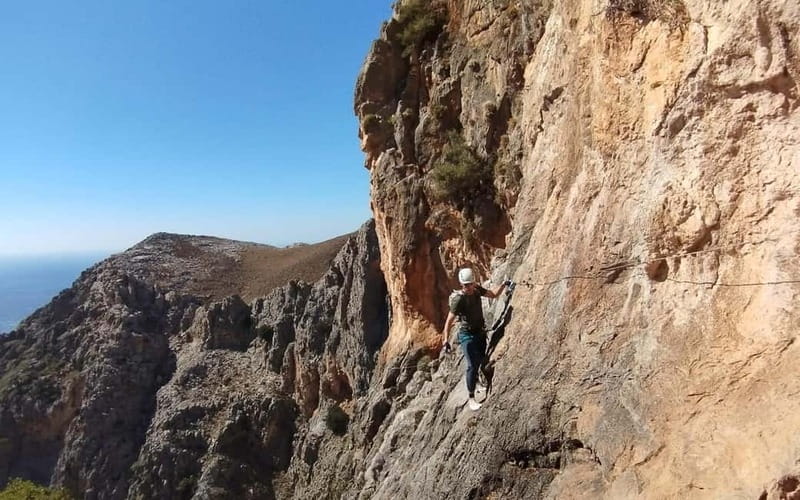
The route’s most demanding moments come when the rock turns more horizontal or exposed. A traverse can feel different from climbing upward because you spend more time moving sideways, often relying on your feet and hands for balance while your safety system stays clipped to the cable.
The practical lesson is simple: wear shoes you trust. Feedback about this section specifically points to the need for lasting strength and secure footwear. Open shoes are not allowed, and jeans are also unsuitable for the activity.
You should keep your movements steady and listen closely to the guide. Yorgos is praised for useful tips and encouragement, which can make a difference when a section feels longer than expected. He also adds stories about Crete and the area, giving the outing more character than a basic equipment-and-cable exercise.
The route is not described as very hard, and the final climbing section may be the place where you work upward a little more. Still, height changes the way effort feels. A short move on a cliff can require more concentration than the same move on level ground.
I would not choose this activity if you are hoping for a gentle mountain walk. I would choose it if you want an active challenge with clear safety equipment, a certified guide, and a route that does not require previous Via Ferrata experience.
Views toward the Libyan Sea and the Asterousia Mountains
The scenery is the reward for every exposed section. From the route, you look across the Asterousia Mountains and toward the Libyan Sea, with the remote southern coast spread below.
The views are not a single lookout followed by a quick return. The route keeps changing your angle as you cross cliffs and gorges. That makes the scenery part of the activity rather than a separate stop for photographs.
Bring a camera or a charged smartphone, but keep both secure. You will need your hands for the rock and the fixed equipment, and a loose phone is a poor trade for a good picture. A guide can point out the surrounding flora and fauna as you climb, and eagles may accompany the route overhead.
The natural setting is one of the strongest reasons to book this rather than an indoor climbing session. You get the physical focus of climbing with open views across one of Crete’s least developed mountain areas. The tradeoff is that the setting also brings sun, exposure, and uneven ground, so comfortable breathable clothing and biodegradable sunscreen are important.
More Adrenaline Activities in Greece:
- Hersonissos: Jet Boat Tour with Snorkeling
★ 4.9 · 1,385 reviews - Canyoning trip at Zagori area of Greece – Section A
★ 5.0 · 425 reviews - From Thessaloniki: Half-Day Canyoning Trip to Mount Olympus
★ 5.0 · 267 reviews - Canyoning Experience in Neda for Beginners
★ 5.0 · 90 reviews
Four hours that feel like a real half-day adventure
The stated duration is four hours. That gives the guide time to handle equipment, explain the route, move through the Via Ferrata, and allow pauses for views and instruction.
A four-hour activity also means you should eat and drink beforehand and bring food and drinks with you. Pack a daypack, but keep it small. Large bags and luggage are not allowed, and anything bulky will get in the way on the fixed route.
Wear hiking pants or other comfortable clothes that can get dirty. Breathable clothing is a sensible choice in the warm Cretan sun, while a hat helps during exposed sections. Closed-toe shoes are required.
The activity starts at a set meeting point rather than picking you up from your hotel. If you are staying elsewhere in Crete, account for that drive separately. The supplied price of $141 per person covers the necessary equipment and certified guides, but not transport to Ano Kapetaniana.
At that price, the value rests mainly in the guide-to-participant ratio, gear provision, and unusual location. A five-person maximum is much more personal than a large outdoor group, and the route offers an experience you cannot reproduce with a standard mountain walk. The price will feel less attractive if you also need to arrange a long transfer or if you are unsure you can manage the physical demands.
Who should book this Crete Via Ferrata
This is a strong choice for an active adult, older teenager, or small group that wants more than a scenic walk. Children from 13 can participate, but they must be physically capable and comfortable with height. Unaccompanied minors cannot join.
You will get the most from it if you enjoy climbing, scrambling, and using your hands on rock. One participant described it as challenging but not impossible, which is a fair way to frame the outing. It asks for effort without requiring advanced climbing ability.
I would also recommend it to anyone who values a small group. With only five participants, you are less likely to feel lost in a crowd, and the guide has room to give direct advice. Yorgos is especially worth noting if he is leading your departure. His role goes beyond managing the cable system. He offers motivation and local stories as well.
This is not a good match for people with back problems, epilepsy, vertigo, a strong fear of heights, low fitness, or a tendency toward seasickness. The activity provider also lists people over 70 as unsuitable. Those restrictions are important, not minor fine print. A mountain route with exposed cliffs can be demanding even when the technical grade is modest.
Practical preparation for Ano Kapetaniana
Plan your clothing before you leave. Bring:
- Comfortable closed-toe shoes
- Hiking pants or clothes that can get dirty
- Breathable clothing
- A hat
- Biodegradable sunscreen
- A change of clothes
- Food and drinks
- A small daypack
- A charged smartphone or camera
Do not bring jeans, open-toed shoes, alcohol, drugs, luggage, or large bags. The route needs freedom of movement, and bulky baggage will only make the climbing harder.
The provider supplies the necessary Via Ferrata equipment. You should still expect to take responsibility for your own comfort. Drink water, protect yourself from the sun, and tell the guide if you need a pause.
Free cancellation is available up to 24 hours before the activity for a full refund. You can also reserve now and pay later, which helps if your Crete schedule is still shifting. Check the available start times before you commit, especially because you must arrange your own transport to the village.
Is this $141 adventure worth it?
I would book this if I wanted an active, unusual day in southern Crete and felt comfortable with heights. The combination of a five-person group, supplied equipment, certified guidance, and views toward the Libyan Sea gives the price a reasonable basis.
I would skip it if I wanted a relaxed outing, had doubts about my fitness, or disliked exposed mountain routes. The traverse can demand sustained strength, and the four-hour duration leaves little room for pretending it is an easy stroll.
For the right person, this is one of Crete’s more distinctive outdoor activities. You get a real physical challenge, not a staged thrill ride, with Yorgos or another certified guide helping you handle the route safely. If you arrive prepared, trust your footwear, and accept the height, the Asterousia Mountains offer a memorable way to see the island from above the Libyan Sea.
FAQ
Where does the Via Ferrata activity meet?
The meeting point is in the small square at the entrance to Ano Kapetaniana.
How long does the activity last?
The activity lasts four hours.
How much does the experience cost?
The listed price is $141 per person.
Is transport to Ano Kapetaniana included?
No. Transport to the meeting point is not included, although a transfer may be available upon request.
Is the Via Ferrata suitable for beginners?
Yes. The route is suitable for beginners, but you still need good physical condition and comfort with heights.
What languages does the guide speak?
The live guide service is available in English and Greek.
How many people are in each group?
The group is limited to five participants.
What equipment is provided?
The necessary Via Ferrata equipment is provided by the activity provider.
What should I wear?
Wear comfortable breathable clothing, hiking pants, and closed-toe shoes. Clothes should be suitable for getting dirty.
Can children participate?
Children from age 13 can participate. Children under 13 and unaccompanied minors cannot join.
Who should not take part?
The activity is not suitable for people with back problems, vertigo, epilepsy, a fear of heights, low fitness, a tendency toward seasickness, or people over 70.
Just added around Greece
- Neda: Canyoning Adventure★ 5.0 · 4 reviews
- Megalo Papingo: Canyoning with Rappel Section A★ 5.0 · 13 reviews
- Megalo Papingo: Canyoning with Rappel Section B★ 5.0 · 9 reviews
- Kalamata: Polylimnio Waterfalls Canyoning Adventure★ 5.0 · 2 reviews
- From Athens: Manikia Gorge Canyoning★ 5.0 · 3 reviews
- From Athens: Agios Loukas Gorge Canyoning Experience★ 5.0 · 2 reviews
- Rethymno: Canyoning Tour in the Kourtaliotiko Gorge★ 4.7 · 38 reviews
- Canyoning in the water – Kourtaliotiko Gorge★ 5.0 · 55 reviews
Via Ferrata Climbing, compared.
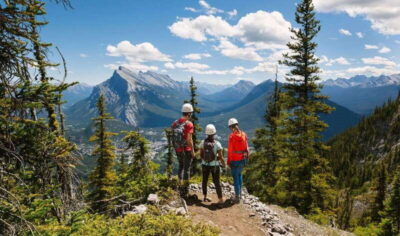
Mount Norquay 2.5 or 4-Hour Guided Via Ferrata Climb
Read our review →
Small-Group Guided Via Ferrata Climbing with Banff’s Best Views
Read our review →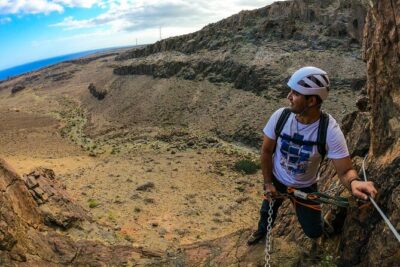
Via Ferrata in Gran Canaria. Vertical adventure park. Small groups
Read our review →Browse the lists this tour appears in