
REVIEW · MALLORCA
Coasteering Mallorca
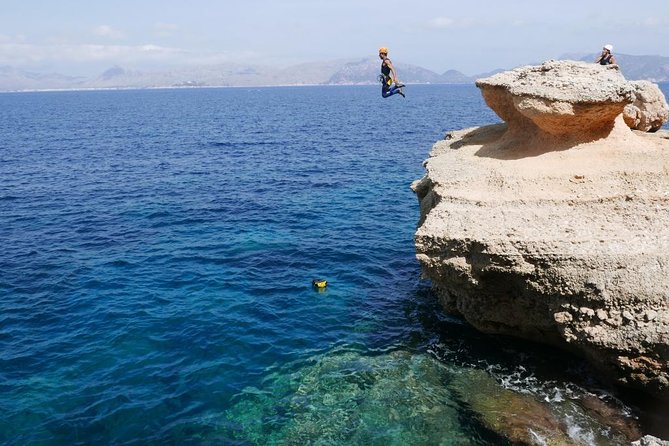
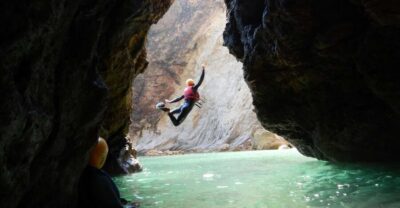
Mallorca’s coast becomes an outdoor playground on this three-hour coasteering circuit. You scramble over sharp rock, swim along the shore, enter caves, rappel, and choose from cliff jumps and water zip lines. I like the mix of sea and mountain, and I like that the activities are guided rather than left to guesswork. The possible catch is simple: this is active, exposed, and not a gentle boat outing.
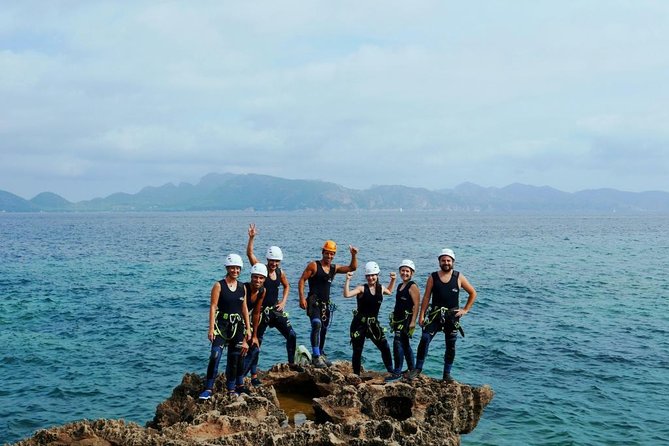
I also like the flexible choice of three meeting areas and the fact that the guides, including Juan Fran and José, are repeatedly praised for keeping nervous participants calm. You should be comfortable swimming in the ocean, handling stretches of roughly 250 meters, and climbing uneven rock. Good shoes matter.
Key points at a glance
- Three coastal starting areas: Choose the south at Cala Fornells, the east near Manacor, or the north near Alcudia.
- A real mix of activity: Expect rock climbing, sea swims, cave exploration, optional jumps, rappelling, and water zip lines.
- Equipment is supplied: You receive a wetsuit, helmet, full harness, and the technical gear needed for the outing.
- Guides make the difference: Juan Fran and José are named as capable, friendly leaders who help participants through the harder sections.
- Moderate fitness is needed: You need to swim, climb, scramble over sharp rocks, and cope with heights.
- Good value for an active morning: At $74.70 per person, the price includes instruction and equipment, not food or water.
What coasteering in Mallorca really involves
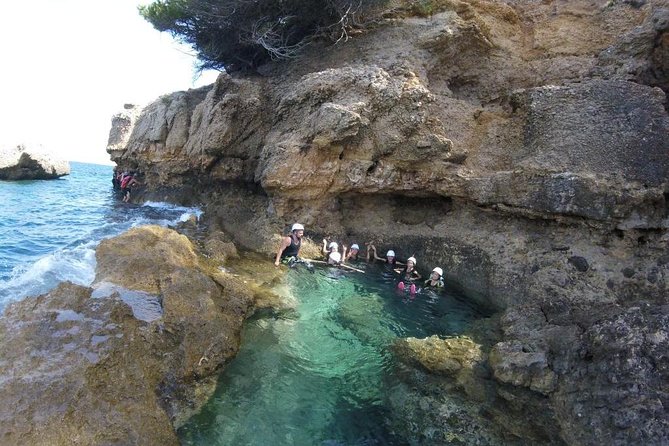
Coasteering is best understood as a moving route along the edge of the sea. You are not simply walking beside the water or jumping from one fixed platform. The route combines land and sea, so you may hike over rock, swim around a headland, climb again, and then reach an obstacle such as a cave, cliff jump, rappel, or zip line.
That variety is the appeal. A standard beach day gives you water and sun. This gives you a reason to move through the shoreline and see parts of Mallorca that are difficult to reach on foot. You spend the morning making progress around the coast, with each section offering a different test.
The activity is designed for all levels, but that phrase needs a sensible reading. The jumps are optional, according to the experience details, and the guides help people through the activities. Still, all participants should have moderate physical fitness. One family member may enjoy the rock work while another prefers the swimming and lower-level options, but everyone needs to take part in the basic coastal route.
The 4.9 rating from 40 reviews and the 98 percent recommendation rate point to a strong experience, especially for people seeking an active way to see Mallorca. Those figures do not make it effortless. They suggest that the instruction, scenery, and sense of adventure work well for people who arrive prepared for a physical outing.
More Coasteering Tours in Mallorca
- Mallorca: Half-Day Coasteering Experience
★ 4.7 · 447 reviews - Coasteering in South Mallorca with Transfers
★ 5.0 · 55 reviews - Shore Excursion: Coasteering in Mallorca
★ 5.0 · 40 reviews
Choosing between south, east, and north Mallorca
You have three meeting points, which is useful because Mallorca is a large island and road time can shape your day.
The southern option starts at the parking area in Cala Fornells, in the 07160 area. This is the named meeting point in the tour details, and the activity finishes back where you started. If you are staying near the southwest coast, this should be the first location you check.
The eastern option meets in Manacor at Hiper Centro. The details do not identify a precise coastal site beyond the regional meeting area, so you should confirm the exact arrangements after booking. This option may suit you if your plans are based around Mallorca’s east side.
The northern option meets at Cocodrilo Restaurant in La Victoria, Alcudia. Like the other choices, it lets you avoid crossing the entire island before a three-hour activity. Check the selected location carefully when you book, since the meeting areas are spread widely across Mallorca.
The practical lesson is to choose by geography before anything else. A flexible time slot is helpful, but a long transfer can eat into your day. The activity itself ends at the meeting point, so you should plan your onward transport from there unless your particular arrangement includes something different.
Your first steps in the wetsuit and harness
The provided equipment makes the price easier to understand. You receive a wetsuit, helmet, full harness, and the technical equipment needed for the route. That means you do not need to bring specialist climbing gear or water protection.
The wetsuit matters because this is not a short splash between dry activities. You may swim through open water and explore aquatic caves, so staying warm and protected is part of enjoying the route. The helmet and harness are important for the rock sections, rappelling, and other technical parts.
Wear sturdy shoes you are comfortable using on wet, rough rock. One participant specifically advised bringing good shoes, while another pointed out that the rocks can be very sharp. The supplied equipment does not remove the need for sensible personal clothing.
Water and food are not included. Bring what you need for before or after the activity, and pay attention to hydration. The provided details do not promise a meal, snack, or drink service, so do not count on refreshments being supplied during the outing.
Hiking, swimming, and the first coastal obstacles
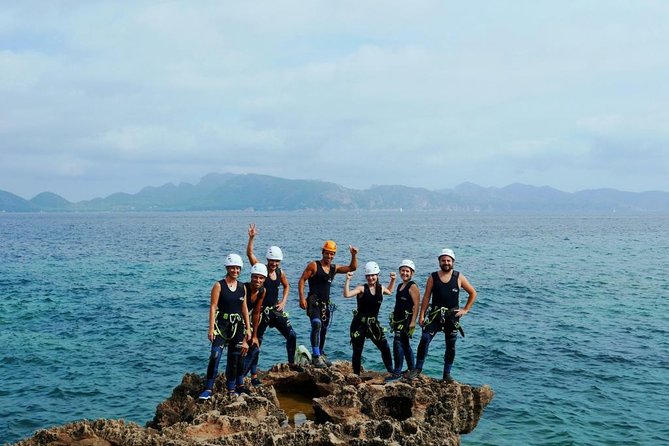
The route begins as a combination of hiking and sea work. You move over the shore, then enter the water for swims that can reach about 250 meters. That distance is not a minor detail. You should be a confident ocean swimmer rather than someone who only feels comfortable standing in a shallow pool.
The exact order of the obstacles can vary by location and conditions, but the overall pattern is clear. You alternate between rock and water, using the coast as a natural course. The hike gives you time to look around and recover between activities, while the swims make the shore feel more remote and immediate.
The rock work can be demanding. You may need to use your hands and feet carefully, and the surface can be sharp. This is where good footwear and a moderate fitness level become practical requirements rather than fine print.
The guide’s role is important here. Juan Fran is specifically praised for helping people through optional jumps and for giving confidence before an 11-meter jump. That kind of calm instruction is valuable even if you decide not to take the highest option. You can enjoy the route without proving anything to the group.
More Coasteering Tours in Spain
- Agaete: Gran Canaria Coasteering. Marine Ferrata and Zipline
★ 5.0 · 38 reviews
Caves and the changing feel of the coast
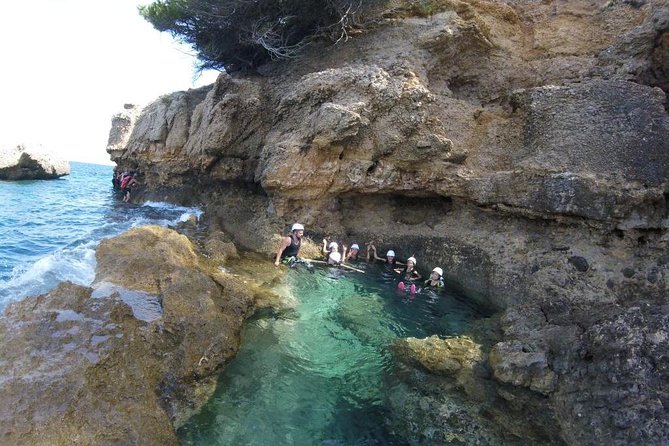
The cave sections add something that a simple cliff-jumping session would lack. You may explore caves on land or in the water, so the route is not only about height and adrenaline. It also gives you a closer look at the shapes and openings along Mallorca’s shoreline.
Cave exploration can feel more personal than walking past a viewpoint. You enter the coastline rather than simply seeing it from above. The water route also changes your sense of direction, since you may approach an opening by swimming rather than by a marked path.
The supplied details do not guarantee a particular cave at every meeting point, so you should treat this as part of the planned activity rather than a promised named attraction. Weather and sea conditions can affect how a route is run. Still, cave exploration is one of the features that gives the outing more variety than a standard climbing or swimming trip.
Optional jumps, an 11-meter test, and water zip lines
The jumps are likely to be the moments you remember most. Heights vary, and the activities are optional. That combination makes the outing more approachable for mixed groups, since you can take part at your own comfort level.
An 11-meter jump is mentioned specifically. That is a serious height, and you should not feel pressured to do it. Juan Fran’s role in helping participants through the optional jumps is a useful sign of how the activity is managed: you get encouragement and guidance, but the decision remains yours.
The water zip lines add another kind of thrill. Instead of simply dropping into the sea, you travel out over the water before entering it. For many people, this will be a fun middle ground between a conventional swim and a high cliff jump.
You should expect nerves. That is part of the experience, but it should not become a contest. If you are with family or friends, the activity works well because each person can choose a different level of challenge while still sharing the same route.
Rappelling and the technical side of the outing
Rappelling, also called abseiling, gives the circuit a more controlled climbing element. You use the harness and technical equipment to descend rather than simply scrambling down rock. The guide handles the safety process, explains what to do, and helps you move through the section.
This is one reason the included gear has real value. You are paying not only for access to the coast but also for the equipment and instruction needed for activities that would otherwise require specialist planning. The guide is a titled professional, according to the tour details.
The technical portions may suit you if you enjoy learning a physical skill while outdoors. They may feel less appealing if you dislike heights or have no interest in climbing. Since the route combines several activities, you are unlikely to spend the full three hours doing only one thing, but you should be ready for more than a casual swim.
Why the guides matter so much
The strongest part of this experience is the human element. Juan, Juan Fran, José, and Phillipe are named in the supplied feedback, with particular praise for patience, professionalism, humor, and reassurance.
Juan Fran helped a participant’s wife who struggled with the activities and also supported a family through optional jumps. José led a group through high cliff jumps, a cave, rock climbing, and a zip line. Phillipe handled a cruise-day arrangement, provided wetsuits and shoes, and even added a coffee stop during the transfer to the activity.
These details matter because coasteering can change from exciting to uncomfortable very quickly if the guide rushes people. A calm guide lets you make a good choice about each obstacle. You can try something new without feeling that the group is waiting impatiently.
The experience is offered in English. If you need a different language, the supplied information does not confirm that option, so English should be your working assumption when booking.
Is $74.70 good value?
At $74.70 per person, the price is reasonable for a three-hour guided activity that includes a wetsuit, helmet, full harness, and technical equipment. You are also paying for access to a route that combines several forms of adventure in one morning.
The value is strongest if you would otherwise need to rent gear or arrange separate activities. A guided sea swim, rock route, cave visit, rappel, cliff jump, and water zip line would be difficult to organize independently, especially if you do not know Mallorca’s coast.
The price looks less attractive if you want a quiet half-day by the beach. You still need to provide your own water and food, and the activity does not include a full-day excursion or a meal. It is a focused, active experience rather than a broad sightseeing tour.
The maximum group size is 50 people. That is a sizable possible group, although the actual number on your departure is not provided. If you prefer very small groups, ask about the expected group size before committing. The guide-to-participant ratio can affect how quickly the group moves through jumps and technical sections.
Who should book this experience?
I would recommend it to confident swimmers, active couples, families with older children, and friends who want a shared challenge. One successful family group included children from age 13 through adults aged 48, with everyone managing the activities at different levels.
You should be comfortable with ocean swims of around 250 meters, uneven and sharp rock, heights, and physical effort. You do not need to complete every jump, but you do need to accept that the basic route is active.
This is not the best match for someone seeking a relaxed coastal walk, a sightseeing cruise, or a beach activity that lets you stay dry. It may also be a poor choice if you are uneasy in open water or unable to climb and scramble over rock.
The activity requires good weather and a minimum number of participants. If poor weather or low numbers force a cancellation, you will be offered another date or experience, or a full refund. You can cancel for a full refund up to 24 hours before the start time, but late cancellations and changes are not accepted.
My verdict on Mallorca coasteering
Book this if you want Mallorca to feel physical and close. You will not just look at the sea. You will move through it, climb beside it, enter caves, and test yourself on jumps and rappels.
I especially like the choice of locations, the optional nature of the harder jumps, and the equipment included in the price. I also put real weight on the guides’ reported ability to help nervous participants. The main warning is equally clear: bring proper shoes, prepare to swim, and do not mistake all levels for no effort.
For an active morning with a partner, friends, or a family with older children, this is a strong choice. For a quiet day at the coast, spend your money elsewhere.
FAQ
How long does the coasteering activity last?
The activity lasts approximately three hours.
What activities are included?
The route combines hiking, sea jumps from different heights, exploration of land or water caves, swimming, rock climbing, rappelling, and water zip lines.
Are the cliff jumps required?
The jumps are described as optional. You can choose your comfort level, with the guide helping you through the activities.
What equipment is provided?
A wetsuit, full harness, helmet, and the necessary technical equipment are included.
Do I need to bring food and water?
Yes. Food and water are not included in the activity.
How fit do I need to be?
You should have a moderate level of physical fitness. You should also be able to swim in the ocean, including stretches of about 250 meters, and manage uneven rock.
Where does the activity meet?
There are three meeting areas: the parking area at Cala Fornells in the south, Hiper Centro in Manacor in the east, and Cocodrilo Restaurant in La Victoria, Alcudia, in the north.
Does the activity finish at the meeting point?
Yes. The activity ends back at the meeting point.
What happens if the weather is poor?
If the activity is canceled because of poor weather, you will be offered a different date or a full refund.
Just added around Spain
- Agaete: Gran Canaria Coasteering. Marine Ferrata and Zipline★ 5.0 · 38 reviews
- Caminito del Rey – Via Ferrata & Zip Line Adventure★ 5.0 · 26 reviews
- Gran Canaria: Guided Via Ferrata and Zipline Adventure★ 4.1 · 36 reviews
- Tenerife: Los Carrizales Water Canyoning Tour★ 5.0 · 55 reviews
- Small-Group Half-Day Canyoning in La Orotava★ 5.0 · 58 reviews
- Granada: Via Ferrata Moclín with Transfers★ 5.0 · 15 reviews
- Climbing the John Hogbin Via Ferrata with Lunch★ 5.0 · 94 reviews
- From Granada: Rio Verde Canyoning Tour with Lunch★ 5.0 · 77 reviews
Coasteering Tours, compared.
Award Winner Premium Kayak and Coasteering Adventure with Lunch
Read our review →
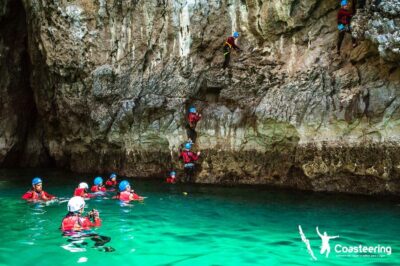
Sesimbra/Arrábida Natural Park Coasteering Adventure
Read our review →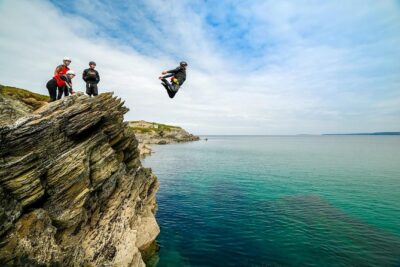
Newquay Coasteering x Cornish Wave | Original Since 2012
Read our review →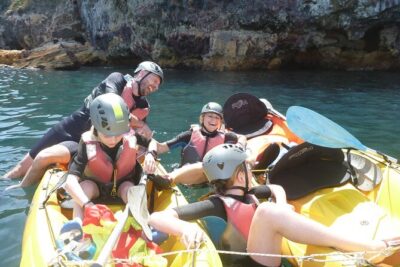
Private Tour explore Vulcano Island by Kayak & Coasteering
Read our review →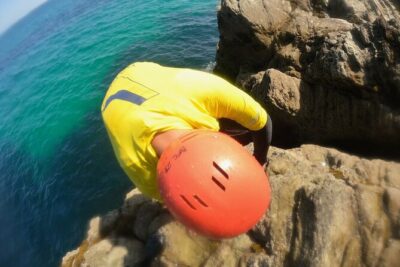
Coasteering – Swimming, Cliff Jump & Rock Climbing
Read our review →Browse the lists this tour appears in