
REVIEW · MALLORCA
Shore Excursion: Coasteering in Mallorca
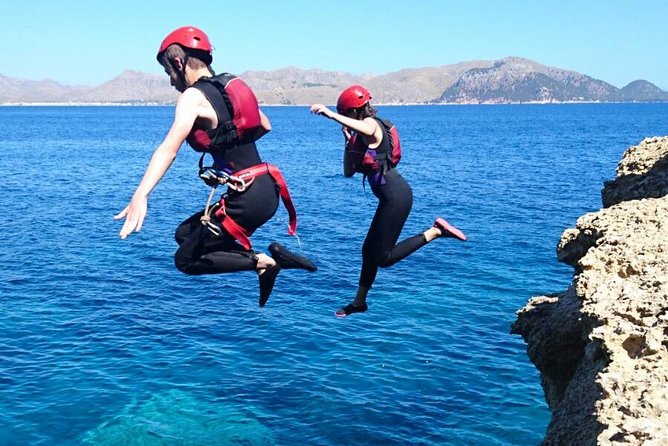
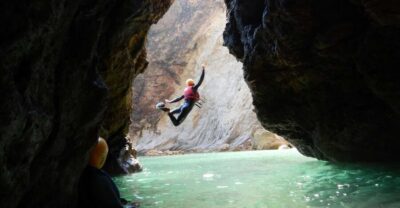
Mallorca’s coast is best enjoyed from the waterline, where cliff jumps, rock scrambling, and clear sea swims turn a pretty outing into a real adventure. You start small and can work toward jumps of roughly 10 meters, with a short zip line across a cove adding another jolt of fun. I especially like the included wetsuit, helmet, flotation vest, and water shoes, plus the simple minivan pickup from Palma. The drawback is just as clear: sharp rocks, swimming, climbing, and repeated exits from the water demand real fitness and some courage.
The guides are the heart of the experience. Jose, Mario, Juan, Oscar, Antonio, Patrick, Rafael, and others are praised for calm instruction and for letting you skip a jump when it feels wrong. I also like that families can split their ambitions, with one person attempting the higher jumps while another floats nearby. The main caution is that one isolated account describes poor guide behavior and pressure, so tell the staff early about your limits and expect professional safety standards.
Key points to know before you book
- Jumps build from low to high: The route can include jumps from about 1 or 2 meters up to 10 meters, so you have time to find your nerve.
- The water is only part of the workout: You’ll also climb over sharp rocks, scramble along the coast, and pull yourself out of the sea.
- A wetsuit and water shoes are included: This matters in cooler water and protects your feet better than bare skin.
- Pickup is close to some cruise ships: From the west sea wall, the meeting point is about a 7 to 10 minute walk from Estacion Maritima 5.
- You can opt out of the biggest challenges: The guides are expected to support different comfort levels, though you still need to swim and manage rocky terrain.
- The group is capped at 16 people: That keeps the activity more personal than a large shore excursion bus.
From Palma’s cruise dock to Cala Fornells
The excursion costs $89.87 per person and lasts about four hours. For a cruise passenger, that price covers the parts that are often awkward to arrange alone: pickup, transport, equipment, a qualified local guide, insurance, and the return ride.
The meeting point is near Palma’s west sea wall, at the Escola de Formació Professional Nauticopesquera de Palma, beside the Dique del Oeste. From Estacion Maritima 5, walk out through the dock gate, pass the cannons on your right, and head toward the white school building. Look for the large ship anchor on the grass and a marked van. The guide wears a bright yellow shirt.
This is a useful set of instructions because cruise terminals can be confusing, and the exact pickup point is not directly beside every ship. Allow more time than the advertised 7 to 10 minutes if you have a slow group or need to find the dock exit. One family arrived late and was helped by the company, but you should not count on that courtesy. A late start can cut into your time in the water.
The drive to the coast takes about 25 to 30 minutes according to the usual outing described by the operator’s customers. That ride is part of the appeal. You leave the port traffic behind and reach the Cala Fornells area, where the coast feels much wilder than Palma’s waterfront.
The group limit of 16 is sensible. Coasteering requires close attention near rocks and water, and a smaller group lets the guide watch each person more carefully. It is not a private tour, but it is far more manageable than a large coach excursion.
More Coasteering Tours in Mallorca
- Mallorca: Half-Day Coasteering Experience
★ 4.7 · 447 reviews - Coasteering in South Mallorca with Transfers
★ 5.0 · 55 reviews - Coasteering Mallorca
★ 5.0 · 40 reviews
Changing into gear at Carrer Cala Fornells
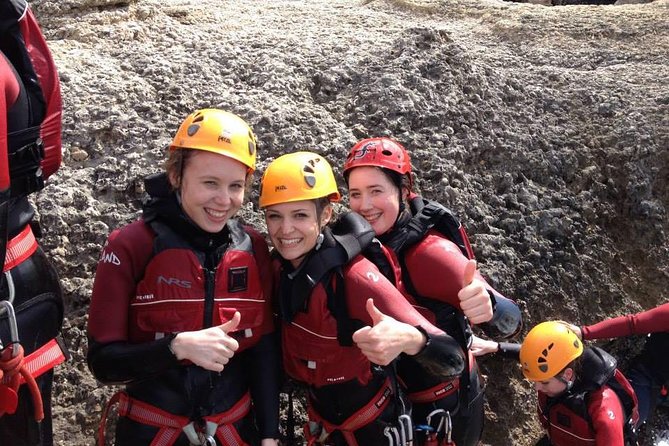
The activity begins at Carrer Cala Fornells, 30, in Cala Fornells. At the start, the guide fits you with a wetsuit, helmet, flotation vest, and water shoes. All equipment and shoes are included, but you must provide your height, weight, and shoe size when booking so the company can prepare the right kit.
Expect a practical rather than polished changing setup. One detailed account describes changing in and out of the equipment in a gravel parking area before taking a short trail to the water. Your dry clothes, normal shoes, towel, and water can remain in the van, but keep valuables to a minimum.
Wear comfortable clothes and hiking shoes for the approach. Bring a bathing suit, towel, sunscreen, and bottled water. The instructions also suggest bringing your own lunch, though a full meal is not included and the active section leaves little time for a leisurely picnic.
The included water shoes are useful on the sharp rocks, especially while scrambling between jumps. Some people prefer old tennis shoes for extra sole protection, but wet sneakers can feel heavy in the water and take time to dry. A long-sleeved rash guard can help protect your arms from scrapes, though it is not listed as required equipment.
The wetsuit is more than a comfort item. The water may feel cold in late spring, and it makes cooler conditions easier to handle. In warmer early-autumn weather, the suit can still be useful for the repeated swims and pauses in the water.
The first jumps help you find your limits
After the short walk to the coast, the guide gives a safety briefing and explains how to move through the route. The sequence usually begins with low jumps, perhaps 1 or 2 meters, then works upward through several heights.
The gradual start is one of the best features of the outing. You do not have to make a high leap the moment you reach the rocks. You can watch the guide, see how the landing area works, and decide how far you want to go.
The higher jumps described during these outings reach about 10 meters. That is a serious height, even if it sounds manageable on paper. You should expect a strong rush of nerves before taking off, and you should never jump simply because the rest of the group is doing it.
The guide’s job is to explain where to place your feet, how to enter the water, and how to move away from the landing zone. Guides such as Jose, Juan, Oscar, Mario, and Rafael are repeatedly singled out for patience and encouragement. The most useful kind of encouragement here is not loud cheerleading. It is a clear explanation followed by room to choose.
If you decide to skip a jump, you can still enjoy the setting and the lower sections. Several people have floated in the water or watched the bigger challenges from the side. That makes the tour more flexible than an activity where every participant must complete every obstacle.
Still, do not confuse optional jumps with an easy outing. Even the lower route requires swimming and climbing over uneven rock. One account describes the activity as physically demanding, especially when pulling out of the water. Your arms, hands, legs, and balance all get used.
Scrambling, climbing, and the sea zip line
Coasteering is not simply a series of cliff jumps. You move along the shore by swimming, climbing, and working around rock ledges. Some sections involve pulling yourself up from the water onto rough terrain, which can be harder than the jump itself.
The rocks can be sharp. Gloves are not provided in the listed equipment, and one person wished for a pair after the outing. Keep your hands open, place each foot carefully, and follow the guide’s route rather than choosing your own shortcut.
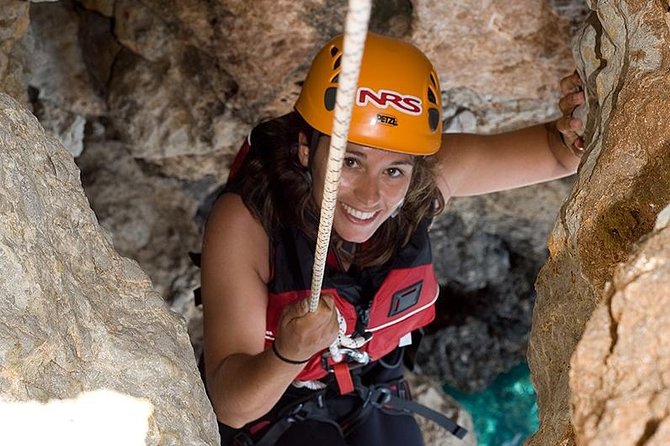
The route can also include abseiling or repelling sections, rock climbing, and a short zip line across a small cove that drops you into the sea. The zip line is a memorable change of pace because it sends you into the water without a conventional jump. It also means you should leave fragile items behind.
Phones in soft waterproof pouches may survive ordinary splashes, but they are a poor choice for repeated jumps and a zip-line drop. A hard-shell waterproof case that floats is a safer option, though the simplest plan is to leave your phone with your dry belongings. Sunglasses can also be damaged or lost during a plunge.
The lack of an official photo service is a minor weakness. You may want pictures, but taking them while climbing and jumping creates both a practical problem and a risk to your equipment. Ask the guide before bringing a camera to the first section, and do not expect to carry it through the whole route.
The setting supplies the entertainment. You get clear water, pale rock, and open views along Mallorca’s coast, with the minivan ride and short trail providing a quick change from port sightseeing. This is a good choice if you have already seen Palma’s streets and want a more active look at the island.
More Coasteering Tours in Spain
- Agaete: Gran Canaria Coasteering. Marine Ferrata and Zipline
★ 5.0 · 38 reviews
How hard is the four-hour outing?
The minimum age is 8, but age alone is not a useful measure of suitability. The tour requires a moderate fitness level, the ability to swim, and enough strength to climb around sharp rocks. A fit 10-year-old may enjoy it, while an inactive adult may struggle.
Families with teenagers are especially well matched to the activity. Several outings include children and teens who loved the challenge, while adults chose how far to push themselves. A family group can make the day work if everyone accepts that people may choose different jumps.
The activity is less suitable for anyone with a strong fear of heights or water. You also need to be comfortable getting wet and moving through uneven terrain. If you dislike cold water, rough rock, or the idea of pulling yourself out of the sea, this is not the right shore excursion.
The guides generally allow you to pass on a jump, but you should confirm your limits before the activity begins. One troubling account describes a guide making comments about weight and pushing an intermediate level. The company apologized and asked for the guide’s name. That report is not consistent with the broader pattern of supportive instruction, but it is a reminder to speak up if you feel unsafe or pressured.
The route may leave you ready for a long nap. That is not a complaint, but it matters on a cruise day. You may not want to schedule a formal dinner, a long walking tour, or another strenuous activity immediately afterward.
Is $89.87 a fair price?
For a four-hour excursion, $89.87 is not the cheapest way to see Mallorca. It is a fair price if you value the equipment, trained supervision, insurance, and transportation more than you value free time on the beach.
Booking independently would still require finding the coast, arranging transport from the port, sourcing suitable equipment, and knowing where it is safe to jump. The price removes those chores and gives you a guide who can adjust the route to the group.
The cruise pickup adds real value. The meeting point is a short walk from the specified west-wall terminal, and the van takes you to Cala Fornells and back. You avoid the uncertainty of finding a taxi after a swim with wet clothes and gear.
Food and drinks are not included. Bring water and a snack, and do not assume the outing includes a meal stop. You can leave dry supplies in the van, but keep your lunch simple and secure.
Free cancellation is available up to 24 hours before the start time. Changes or cancellations inside that window are not refundable. Bad weather can cancel the activity, in which case you are offered another date or a full refund. The same applies if the minimum number needed to operate is not met.
Who should book the Cala Fornells adventure?
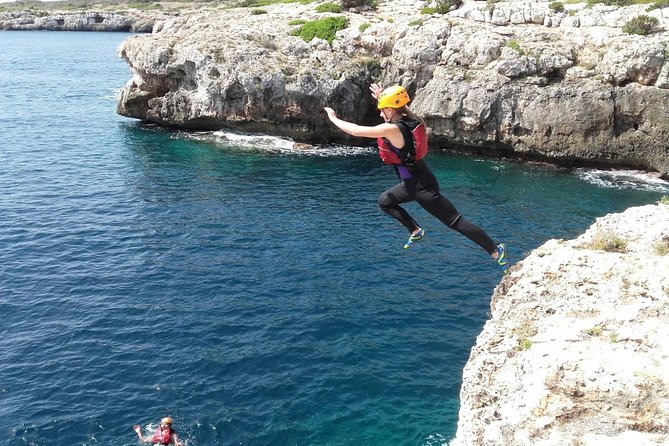
I would book this for an active family, a group of friends, or a cruise passenger who wants a strong memory instead of another bus ride through town. It suits people who like trying something new and who can laugh at a few scratches, wet clothes, and shaky knees.
You do not need to be an expert climber or an experienced cliff jumper. You do need to swim, follow instructions, and accept that the physical work between jumps can be demanding.
I would not book it for a person who cannot swim, has poor balance or limited upper-body strength, or wants a gentle coastal tour. The minimum age of 8 does not make it a small-child activity. Parents should judge each child’s confidence and strength rather than relying on the age rule alone.
The strongest reason to choose it is the combination of freedom and structure. You get a clear safety briefing, proper equipment, and a route that builds in difficulty, but you are not forced to take the highest leap. That balance lets an adventurous teenager and a cautious parent share the same morning.
My verdict on Mallorca coasteering
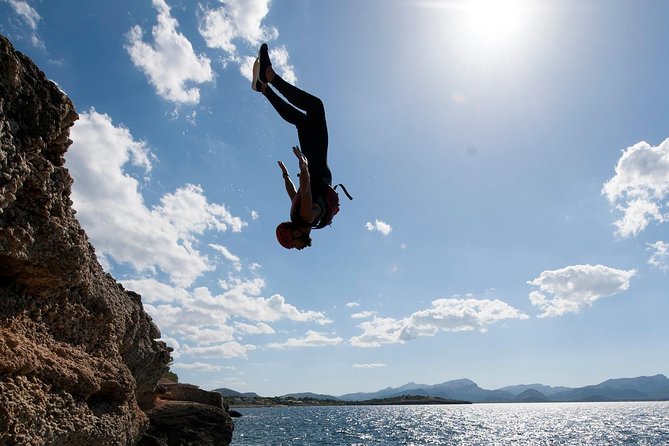
Book it if you want your Mallorca port day to include real action, clear water, and a story you will still be telling at dinner. The guides are a major asset, the equipment is included, and the minivan pickup keeps the day simple.
Go in knowing that coasteering means climbing as much as jumping. Bring water, sunscreen, a towel, and a bathing suit, give your shoe size and body details when you reserve, and protect your phone by leaving it behind or using a floating hard case.
For a calm swim or an easy sightseeing day, choose something else. For a well-supported challenge with optional jumps, a beautiful Cala Fornells setting, and enough adrenaline to earn that post-tour nap, this is one of Mallorca’s better active shore excursions.
FAQ
How long does the Mallorca coasteering tour last?
The experience lasts approximately four hours. About three hours are assigned to coasteering at Cala Fornells, with the remaining time covering transport and related logistics.
How much does the coasteering excursion cost?
The listed price is $89.87 per person.
What equipment is included?
The tour includes all equipment and shoes, including a wetsuit, helmet, flotation vest, and water shoes as described for the activity. You must provide your height, weight, and shoe size when booking.
Where does cruise pickup take place?
For ships using the west sea wall at Dique del Oeste and Estacion Maritima 5, pickup is at the Escola de Formació Professional Nauticopesquera de Palma. It is approximately a 7 to 10 minute walk from the ship.
What should I bring?
Bring comfortable clothes, hiking shoes for the approach, sunscreen, bottled water, a bathing suit, and a towel. You may also bring your own lunch or snack because food and drinks are not included.
Is there a minimum age?
The minimum age is 8 years. Participants should also have a moderate level of physical fitness and be able to swim and manage rocky coastal terrain.
Can I cancel the experience?
You can cancel at least 24 hours before the start time for a full refund. Poor weather or failure to reach the minimum number of participants may lead to a different date or a full refund.
More Shore Excursions in Spain
- Ketchikan Shore Excursion: Rainforest Canopy Ropes and Zipline Adventure Park
★ 5.0 · 390 reviews - Lyttelton Shore Excursion: Christchurch Sightseeing with Jet Boating
★ 4.5 · 29 reviews
Just added around Spain
- Caminito del Rey – Via Ferrata & Zip Line Adventure★ 5.0 · 26 reviews
- Gran Canaria: Guided Via Ferrata and Zipline Adventure★ 4.1 · 36 reviews
- Agaete: Gran Canaria Coasteering. Marine Ferrata and Zipline★ 5.0 · 38 reviews
- Tenerife: Los Carrizales Water Canyoning Tour★ 5.0 · 55 reviews
- Small-Group Half-Day Canyoning in La Orotava★ 5.0 · 58 reviews
- From Granada: Rio Verde Canyoning Tour with Lunch★ 5.0 · 77 reviews
- From Granada: Rio Verde Canyoning Tour★ 4.5 · 29 reviews
- Granada: Via Ferrata Moclín with Transfers★ 5.0 · 15 reviews
Coasteering Tours, compared.
Award Winner Premium Kayak and Coasteering Adventure with Lunch
Read our review →
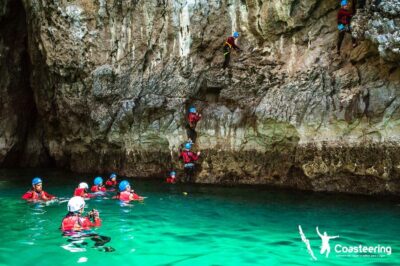
Sesimbra/Arrábida Natural Park Coasteering Adventure
Read our review →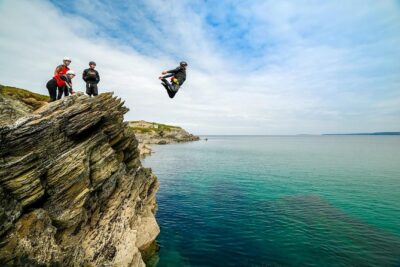
Newquay Coasteering x Cornish Wave | Original Since 2012
Read our review →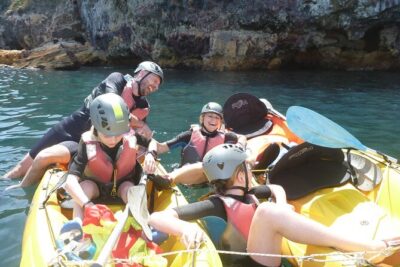
Private Tour explore Vulcano Island by Kayak & Coasteering
Read our review →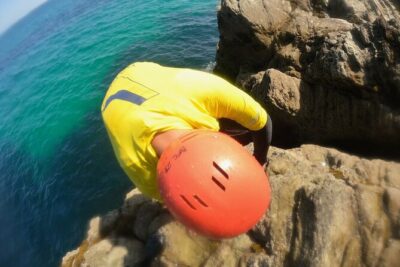
Coasteering – Swimming, Cliff Jump & Rock Climbing
Read our review →Browse the lists this tour appears in