
REVIEW · MALLORCA
Mallorca: Speleo-Coasteering Tour along the Coast of Alcudia
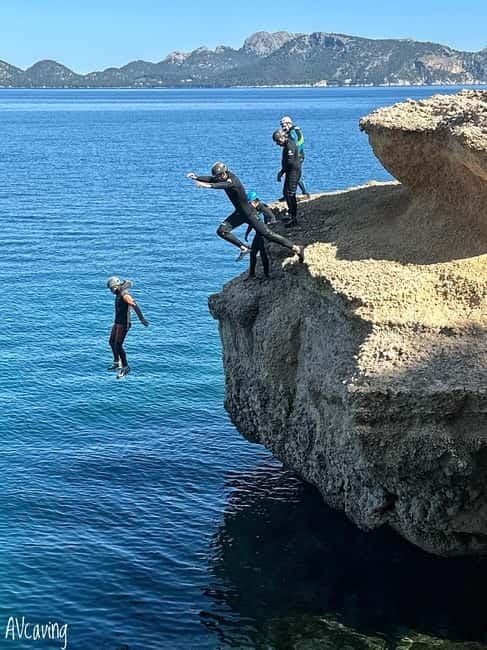
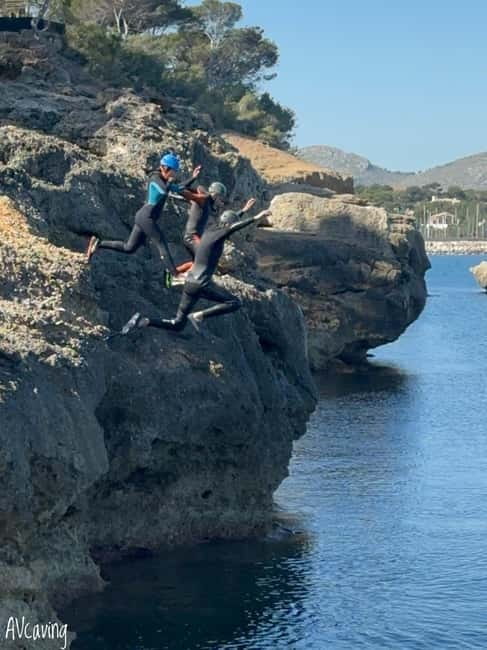
Mallorca’s Alcudia coast turns into a natural adventure park on this five-hour outing. You warm up with a 4-meter jump, then move along the rocks by snorkeling, sea-cave exploration, and psicobloc, a form of climbing above deep water without ropes. You choose your jumps, with options reaching up to 10 meters.
I like the mix of activity and scenery. I also like the guides’ calm, personal approach: Luis worked patiently with two young teenagers, while Vanessa, Antonio, and Toni have led groups through the same good-natured routine. The main caution is simple: this is not a sightseeing cruise. You need to swim, scramble, and feel ready for heights.
Key points to know
- A 4-meter warm-up jump sets the tone: You start with a manageable leap before deciding how far to push yourself.
- Jumps are optional and varied: You can choose your height, with the biggest jumps reaching about 10 meters.
- The route mixes several activities: Snorkeling, sea caves, free climbing, rocky walking, and cliff jumps keep the five hours varied.
- Caló d’en Monjo may be used when conditions suit: This cove offers several places to jump and explore, with postcard-worthy scenery.
- Guides focus on comfort and safety: Luis, Vanessa, Antonio, and Toni are named guides associated with the experience, and the tour can shift location or day when sea conditions call for it.
- Pack for the water: A wetsuit and helmet are provided, but you should bring swimwear, towel, sunscreen, goggles, and shoes that can get wet.
What this Alcudia coast adventure really involves
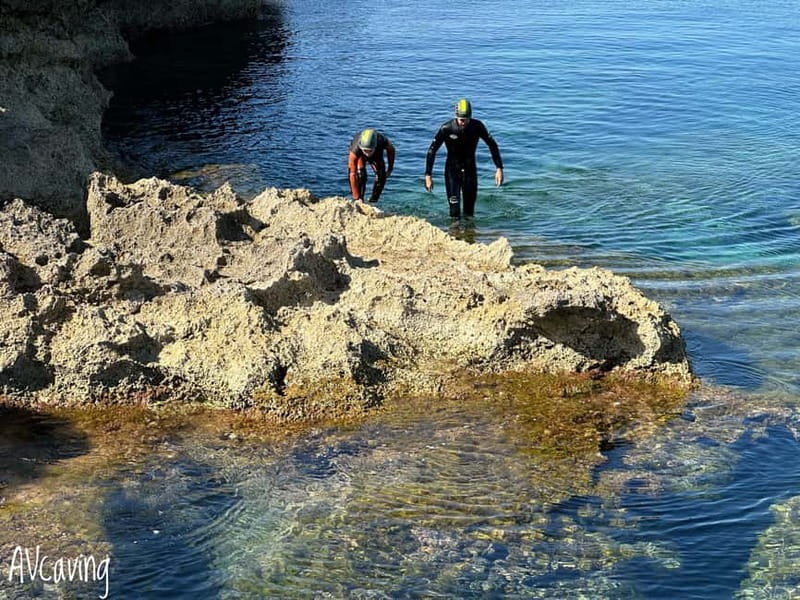
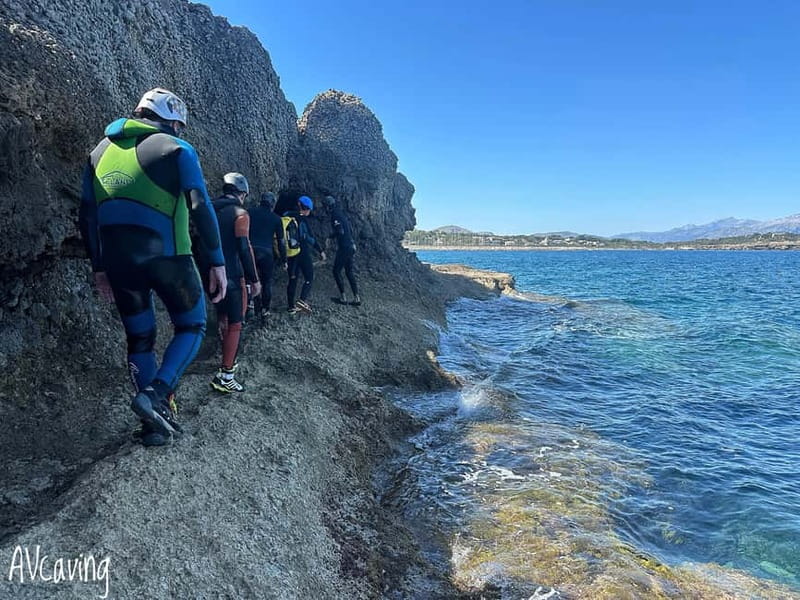
Coasteering means following the edge of the sea rather than staying in one activity. You move through the water, along rocks, into sea caves, and over short climbing sections. Here, the outing adds cliff jumping and underwater viewing, so you get a lively half-day rather than a single long swim.
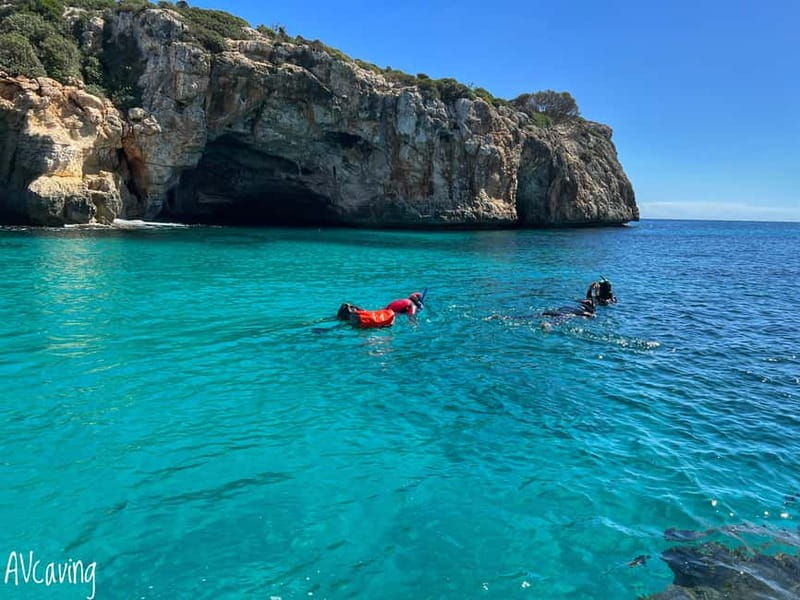
The setting is the rocky coast of Alcudia, where clear water, small coves, and sea caves provide the main scenery. You are not simply taken to one platform and asked to jump. The route develops as you go, with the guide pointing out natural formations, fossils, local plants, and animals.
The activity is described as easy level and suitable for all levels, but that does not mean effortless. You must be a swimmer, and you need to manage wet rocks, open water, and heights. The useful part is that you can choose your jumps. If a 10-meter leap is not for you, you can take a lower option or skip it.
That choice makes the experience more approachable for a mixed group. A confident teenager can try a higher jump, while a cautious parent can stay with lower ledges and cave exploration. Still, the whole group needs to be comfortable in the sea.
More Coasteering Tours in Mallorca
- Mallorca: Half-Day Coasteering Experience
★ 4.7 · 447 reviews - Coasteering in South Mallorca with Transfers
★ 5.0 · 55 reviews - Coasteering Mallorca
★ 5.0 · 40 reviews
Meeting your guide and getting fitted
The meeting point is along the street where you can park, with the guide waiting for you there. The information provided does not include hotel pickup, so plan to make your own way to the meeting point and allow time to find the guide.
At the start, you receive a wetsuit and helmet and get changed on the spot. The wetsuit matters more than it might on a warm beach day. The sea can feel chilly, especially after repeated swims between jumps and caves. One family found the wetsuits helpful when the water temperature felt cold.
The official equipment list includes the wetsuit and helmet, but not food, drinks, goggles, or wet shoes. One recent account says water shoes were provided, so equipment may vary by outing. I would not rely on that. Bring shoes made for wet rocks if you have them, and bring your own goggles if you want a clear look below the surface.
You also need swimwear, a towel, and sunscreen. Pack a small amount of drinking water and a snack for afterward, since food and drinks are not included.
The 4-meter jump gets you started
The first jump is about 4 meters high. This is a useful opening because it gives you a clear idea of how the day will feel before the bigger choices arrive. The guide explains the safety procedure, shows you how to enter the water, and helps you get comfortable with the height.
For some people, 4 meters will feel like a serious leap. For others, it will be a quick warm-up. Either reaction is fine. The important point is that you do not need to begin with the biggest jump.
After the first leap, the route continues along the coast. The guide presents different points where you may jump, climb, or enter the water. Heights can reach 10 meters, but you remain in charge of your own limit. I appreciate this setup because it avoids turning the outing into a contest.
You should listen carefully to the guide before each jump. A safe-looking ledge still needs the right entry point, water depth, and landing position. The guides also take changing sea conditions into account, which is one reason the route can change.
Sea caves, fossils, and the quieter side of the route
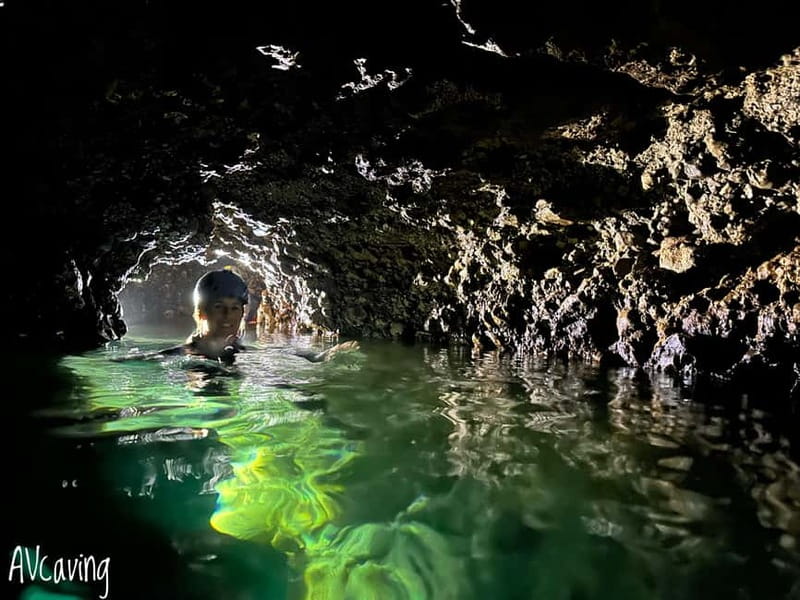
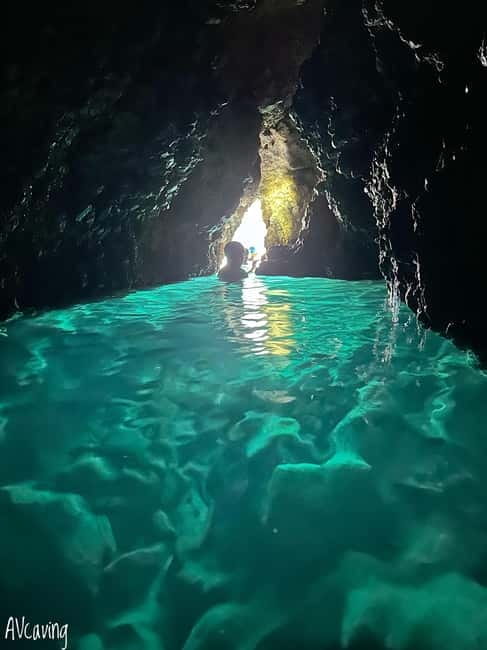
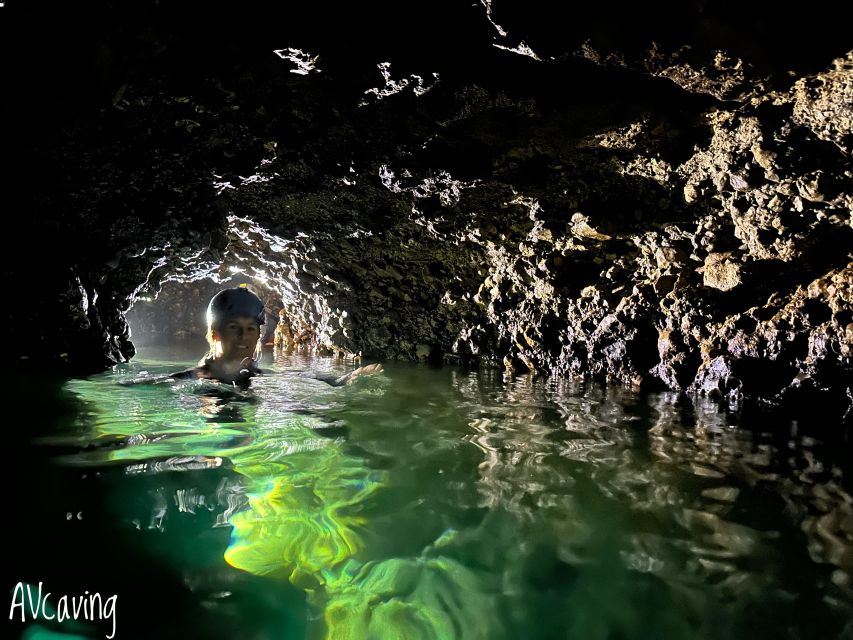
The jumps get the attention, but the caves give the trip its character. You swim into sea caves and explore corners that are easy to miss from land. The guide points out the shapes of the rock and shares information about fossils and the natural surroundings.
This is where the tour feels more personal than a standard water activity. You are not only passing through a scenic area. You are using the coast as a route, with the guide helping you notice details in the rock and water.
The caves also provide a change of pace. After a jump, you may spend time swimming, looking below the surface, or moving through a sheltered section. The day is not five hours of continuous adrenaline, which is good news if you want variety.
The exact cave route depends on sea conditions and the location chosen for the outing. That means you should expect the type of experience rather than a fixed checklist of named stops. The reward is a route suited to the conditions on the day.
More Coasteering Tours in Spain
- Shore Excursion: Coasteering in Mallorca
★ 5.0 · 40 reviews - Mallorca: coasteering South
★ 4.5 · 14 reviews - Mallorca: Coasteering North
★ 5.0 · 8 reviews - Pollença: Kayak and Coasteering Cliff Jumping
★ 5.0 · 5 reviews
Snorkeling in Mallorca’s clear water
The snorkeling sections let you see the coast from below. The water is described as crystal clear, and the guides introduce you to the local underwater setting, including marine life and plants. You should bring goggles if you want to make the most of these sections, since they are not included in the standard equipment list.
Do not expect a full marine biology excursion. The main purpose is to add underwater discovery to the climbing and jumping. Still, this part helps slow the pace and gives you a better sense of the coves and rocky seabed.
If you are nervous about open water, tell the guide early. The activity is for swimmers, and you will spend time moving between rocky points. A wetsuit helps with warmth and buoyancy, but it does not replace swimming ability.
Psicobloc and climbing above the sea
Psicobloc is a rope-free form of climbing over water. On this outing, it means short sections of free climbing solo, with the sea below rather than a climbing wall beneath you. You are not expected to complete a difficult climbing route, but you should be ready to use your hands and feet on natural rock.
The appeal is the setting. Instead of climbing indoors or on a marked wall, you follow the coast and use its natural formations. The activity remains at an easy level, and the guide helps you understand where to go.
The practical drawback is that wet rock can feel awkward. You need steady footing and enough comfort with scrambling to enjoy this part. Shoes with good grip that can get wet are a smart choice. Since the equipment details are not fully consistent, confirm what is supplied before you leave, or bring your own.
Why the guides matter on this kind of outing
A good guide is especially important when an activity combines heights, water, caves, and uneven rock. Luis is described as patient and attentive, including with a family whose daughters were 12 and 13. That matters if your group has different comfort levels.
Vanessa, Antonio, and Toni are also named guides connected with the experience. The tone is relaxed, with the guide adjusting to each person rather than pushing everyone toward the same jump. That personal approach is one of the strongest reasons to consider this outing.
The guide also monitors the coast. In one case, the company changed both the day and location two days before the activity because the water conditions would be better elsewhere. That can be inconvenient if you have a tight schedule, but it shows sensible attention to the sea.
You should treat any change as part of the safety plan, not as a failure to follow the advertised route. Coastal activities depend on wind, waves, and water conditions. A different cove may produce a better and safer day.
Caló d’en Monjo and the value of changing location
Caló d’en Monjo is one location used for the experience. It is described as a postcard-like cove with many different options for jumping and exploring. The variety matters because it allows the guide to match the route to the group.
A place with several ledges is useful for a mixed party. You may have one person ready for a high jump, another who prefers a low entry, and someone else most interested in the caves and snorkeling. A flexible cove gives the guide room to keep everyone involved.
Do not assume Caló d’en Monjo is guaranteed for every departure. The route can change when the water is better elsewhere. If the location matters to you, ask before booking, but keep in mind that conditions should guide the final decision.
The scenery is a major part of the value. You see Mallorca from the waterline, where coves, rock formations, and sea caves create a different view from the usual beach or road stop. The activity gives you a reason to reach parts of the coast that are not experienced from a sun lounger.
Is $88 a fair price?
At $88 per person, this is not a cheap casual swim, but the five-hour length gives the price some weight. You receive a guide, wetsuit, and helmet, and the outing combines several activities in one session. If you paid separately for a cave trip, a snorkeling session, and a guided climbing or jump experience, the total could easily become less convenient.
The value depends on how much of the five hours you will use. A strong swimmer who enjoys heights and wants an active coastal day is likely to get good value. Someone who mainly wants to look at the coast from the water may find the price harder to justify.
Food and drinks are not included, and neither are goggles or officially listed wet shoes. Those costs are small, but you should account for them. Bring what you need rather than assuming the equipment package covers every part of the outing.
Free cancellation up to 24 hours before the activity and the option to reserve now and pay later add useful flexibility. They do not remove the need to check your schedule, especially if a location or date change would be difficult for you.
Who should book this tour?
I would choose this for families with older children, active couples, and friends who want a shared challenge without committing to a technical climbing trip. Children must be at least 11, and the outing works best when everyone can swim and accept that the day includes heights.
The tour also suits people who like having choices. You can push yourself toward a higher jump, or concentrate on caves, snorkeling, and lower entries. That flexibility is better than a rigid program where every person must do the same thing.
I would not book it for a non-swimmer, a pregnant person, or anyone who strongly dislikes jumping from rocks. It is also a poor match if you want a calm coastal cruise, an easy beach afternoon, or a dry activity.
The five-hour duration deserves attention. You will need enough energy for repeated movement in and out of the water. The wetsuit helps with temperature, but you should still expect a physical outing rather than a quick excursion.
Practical tips for a smoother day
- Bring swimwear, a towel, sunscreen, water, and a snack.
- Pack goggles if you want to see clearly during the snorkeling sections.
- Bring wet shoes with a secure fit and useful grip.
- Tell the guide your comfort level before the first jump.
- Treat the 4-meter jump as a test, not a promise that you must take a higher one.
- Keep your schedule flexible in case the company changes the date or location for better sea conditions.
- Wear sunscreen even when the water and caves take up much of the day.
- Listen to the safety instructions before every jump and climbing section.
The most important tip is to be honest about your limits. You do not gain much by forcing a jump that makes you anxious. The experience is designed around choice, and the guides can help you find a level that still feels adventurous.
Should you book the Alcudia coasteering tour?
Book it if you want Mallorca’s coast as an active playground, not just a pretty view. The combination of cliff jumps up to 10 meters, snorkeling, sea caves, psicobloc, and fossil stories gives you plenty to do for five hours.
I especially like the choice of jump heights and the guide-led approach. Luis, Vanessa, Antonio, and Toni are associated with an outing that appears to value patience and adjustment over bravado. The possible location change is another positive when sea conditions are unsettled.
Skip it if you cannot swim, are pregnant, have children under 11, or would rather avoid heights and wet-rock scrambling. Also check the equipment details before setting out, and bring your own goggles and wet shoes to be safe.
For an active family or a group of friends, $88 is a reasonable price for a full half-day on the Mallorcan coast. You get the best value when you try several parts of the experience, not just the biggest jump.
FAQ
How long does the coasteering tour last?
The tour lasts five hours. Starting times depend on availability.
Where does the tour meet?
Your guide waits for you along the street where you can park. Hotel pickup is not listed as part of the activity.
What languages do the guides speak?
The tour is available in English, Spanish, and French.
Is the tour suitable for beginners?
Yes. The activity is described as easy level and suitable for all levels. You can choose which jumps to take.
How high are the jumps?
The outing begins with a 4-meter jump, and some jumps reach up to 10 meters.
Do I have to take every jump?
No. You can choose your jumps, so you may select lower options or skip a jump.
What equipment is included?
A guide, wetsuit, and helmet are included. Goggles and shoes that can get wet are not included in the stated equipment list.
Who cannot take part?
Children under 11, pregnant women, and non-swimmers should not take this tour.
Just added around Mallorca
- Mallorca: 4-Hour Cliff Jumping Adventure★ 4.9 · 56 reviews
- Mallorca: Visit Palma Speedboat adrenaline & snorkelling★ 4.9 · 48 reviews
- Mallorca: coasteering South★ 4.5 · 14 reviews
- Mallorca: Coasteering North★ 5.0 · 8 reviews
- Mallorca: Bladerunner Jet Boat Excursion★ 4.6 · 27 reviews
- Mallorca: Beginner Canyoning -Level I★ 5.0 · 4 reviews
- Mallorca: Adrenaline Tree Top Adventure Entry Ticket★ 4.7 · 44 reviews
- Pollença: Kayak and Coasteering Cliff Jumping★ 5.0 · 5 reviews
Coasteering Tours, compared.
Award Winner Premium Kayak and Coasteering Adventure with Lunch
Read our review →
Sesimbra/Arrábida Natural Park Coasteering Adventure
Read our review →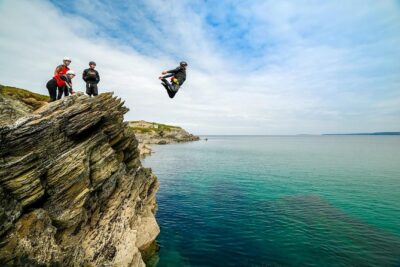
Newquay Coasteering x Cornish Wave | Original Since 2012
Read our review →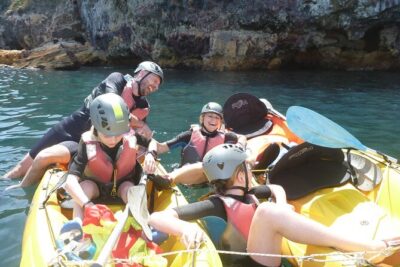
Private Tour explore Vulcano Island by Kayak & Coasteering
Read our review →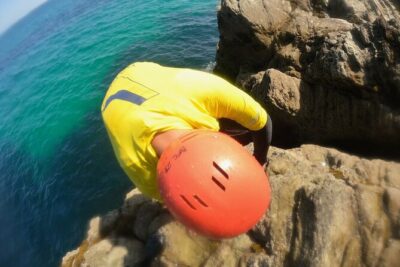
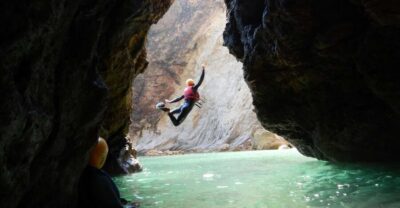
Coasteering – Swimming, Cliff Jump & Rock Climbing
Read our review →Browse the lists this tour appears in